Citronella Companion Plants That Will Keep Mosquitoes Away
Citronella Companion Plants That Will Keep Mosquitoes Away
Mosquitoes are a nuisance, but they can also be a health hazard. They can transmit diseases like malaria, dengue fever, and Zika virus. If you want to keep mosquitoes away from your home and garden, you can plant companion plants that have mosquito-repelling properties.
Citronella is one of the most popular mosquito-repelling plants. It has a strong lemony scent that mosquitoes find unpleasant. However, simply having a citronella plant in your garden won't deter mosquitoes. You need to plant it in combination with other plants that have similar properties.
Here are some of the best citronella companion plants:
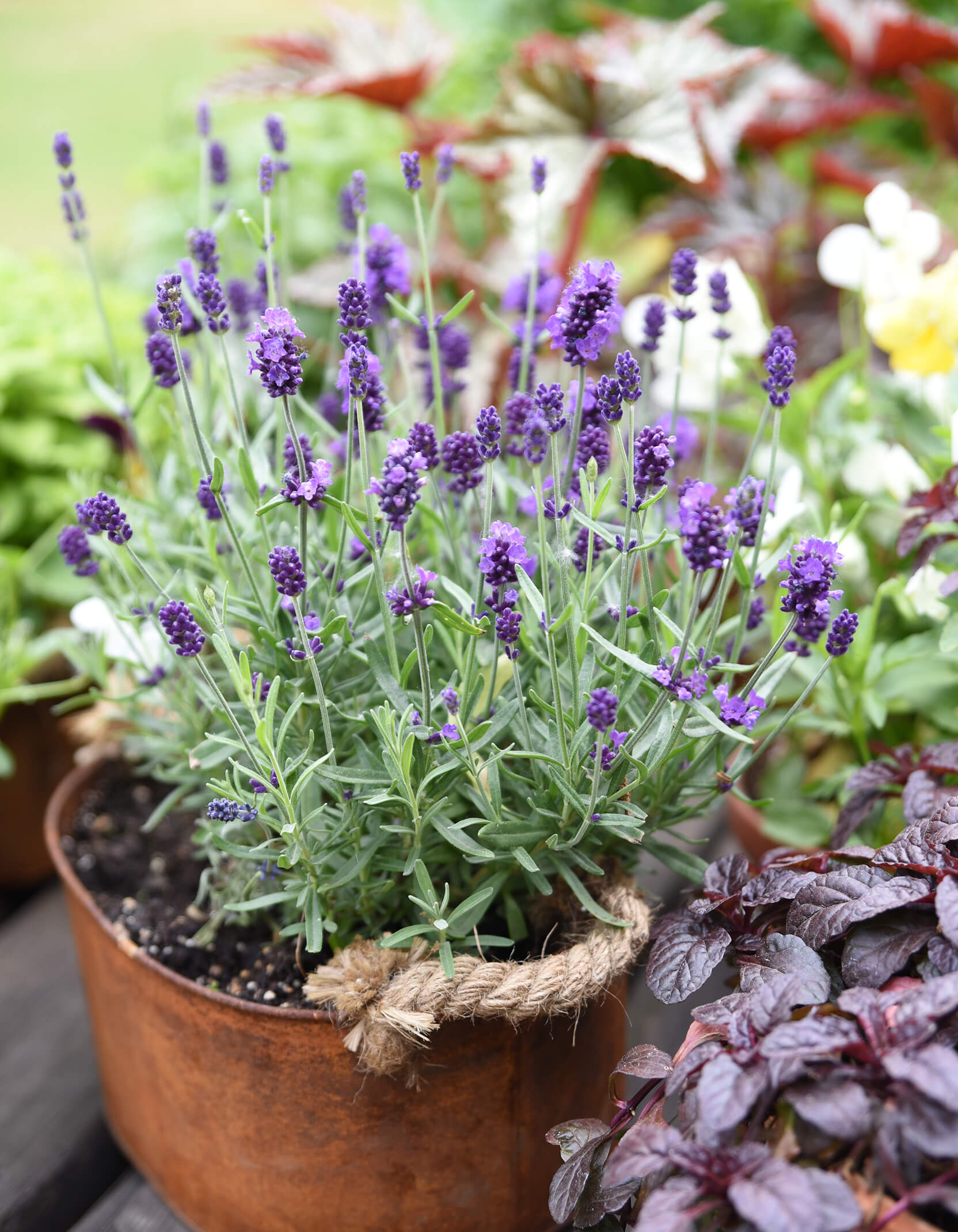
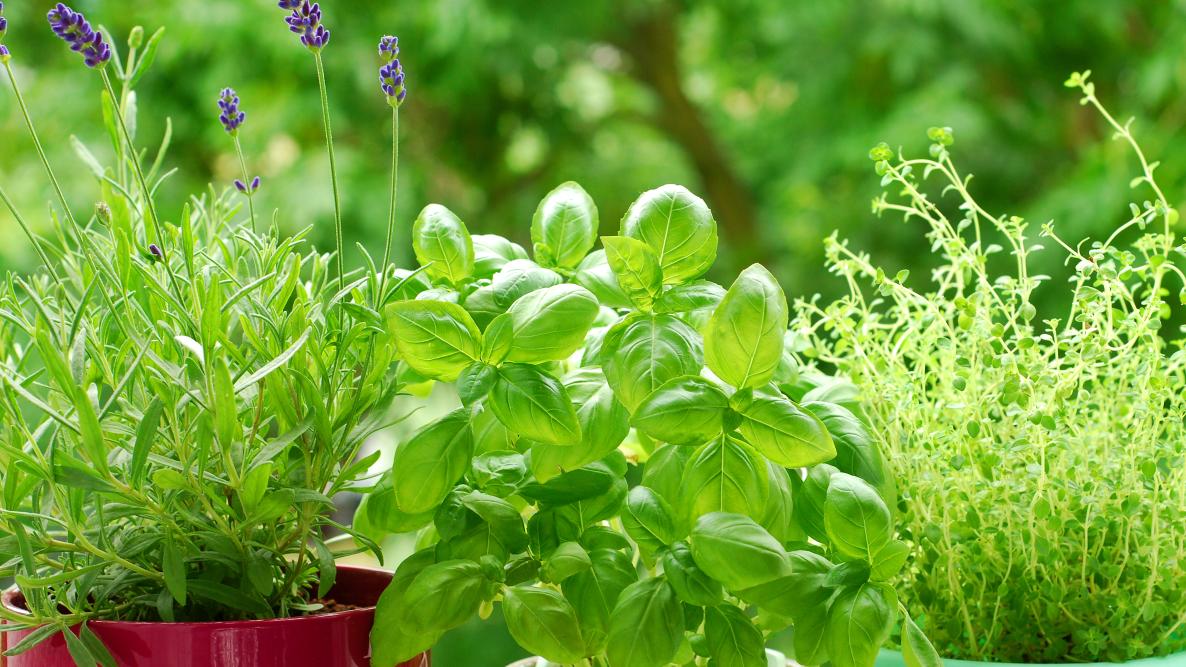
- Lavender is another popular mosquito-repelling plant. It has a sweet, floral scent that mosquitoes hate. Lavender is also a beautiful plant that can add color and fragrance to your garden.
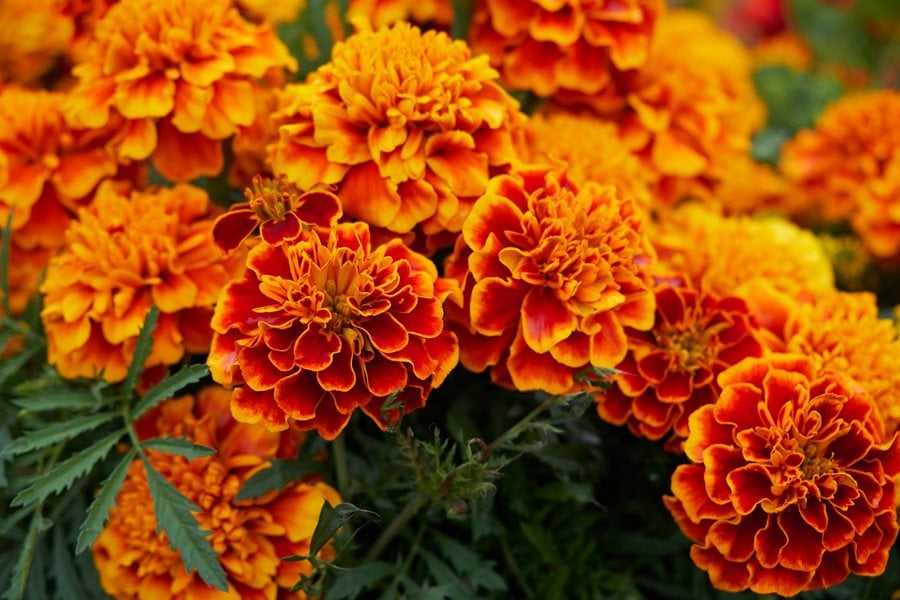
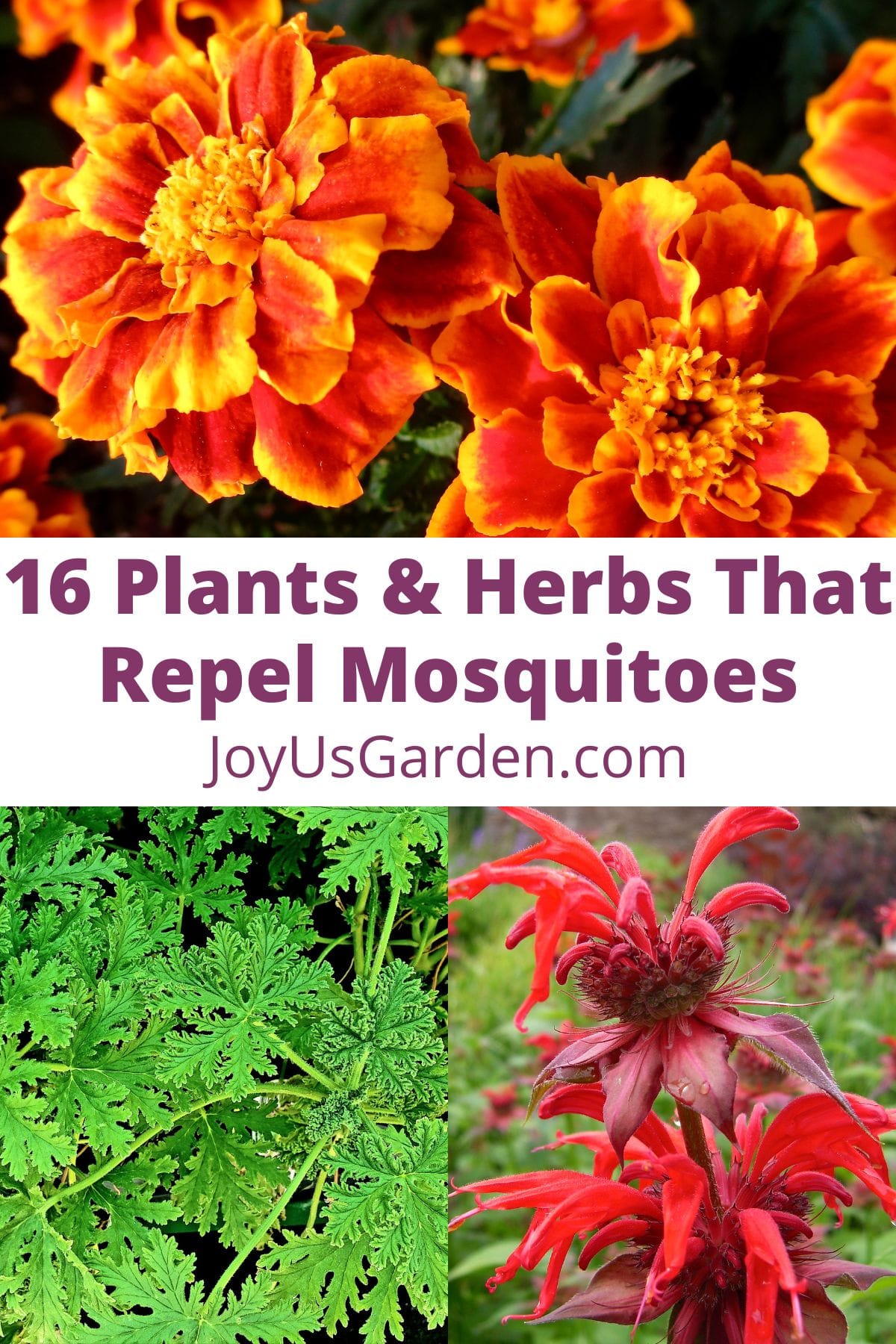
- Marigolds are not only beautiful flowers, but they also have mosquito-repelling properties. The strong scent of marigolds confuses mosquitoes and makes them less likely to bite.
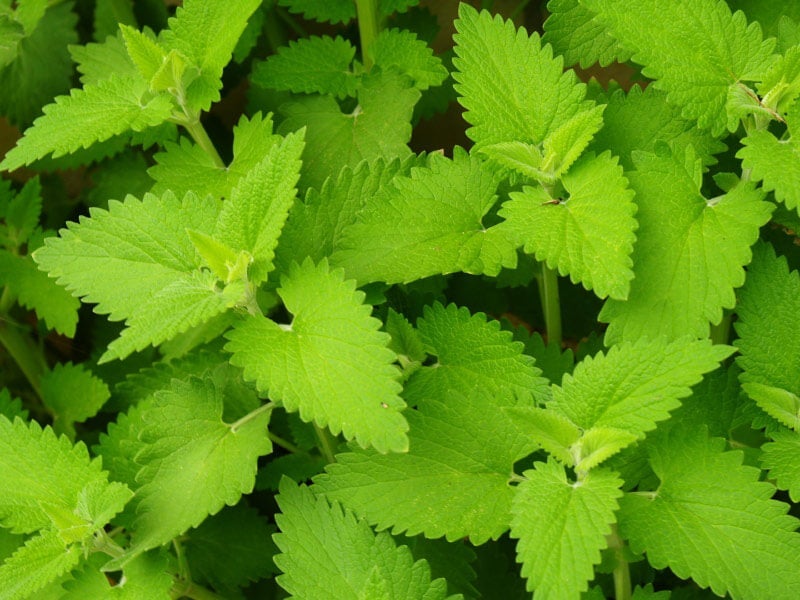
- Catnip is a surprising mosquito-repelling plant. This herb is known for attracting cats, but it also has a strong scent that mosquitoes find repulsive.
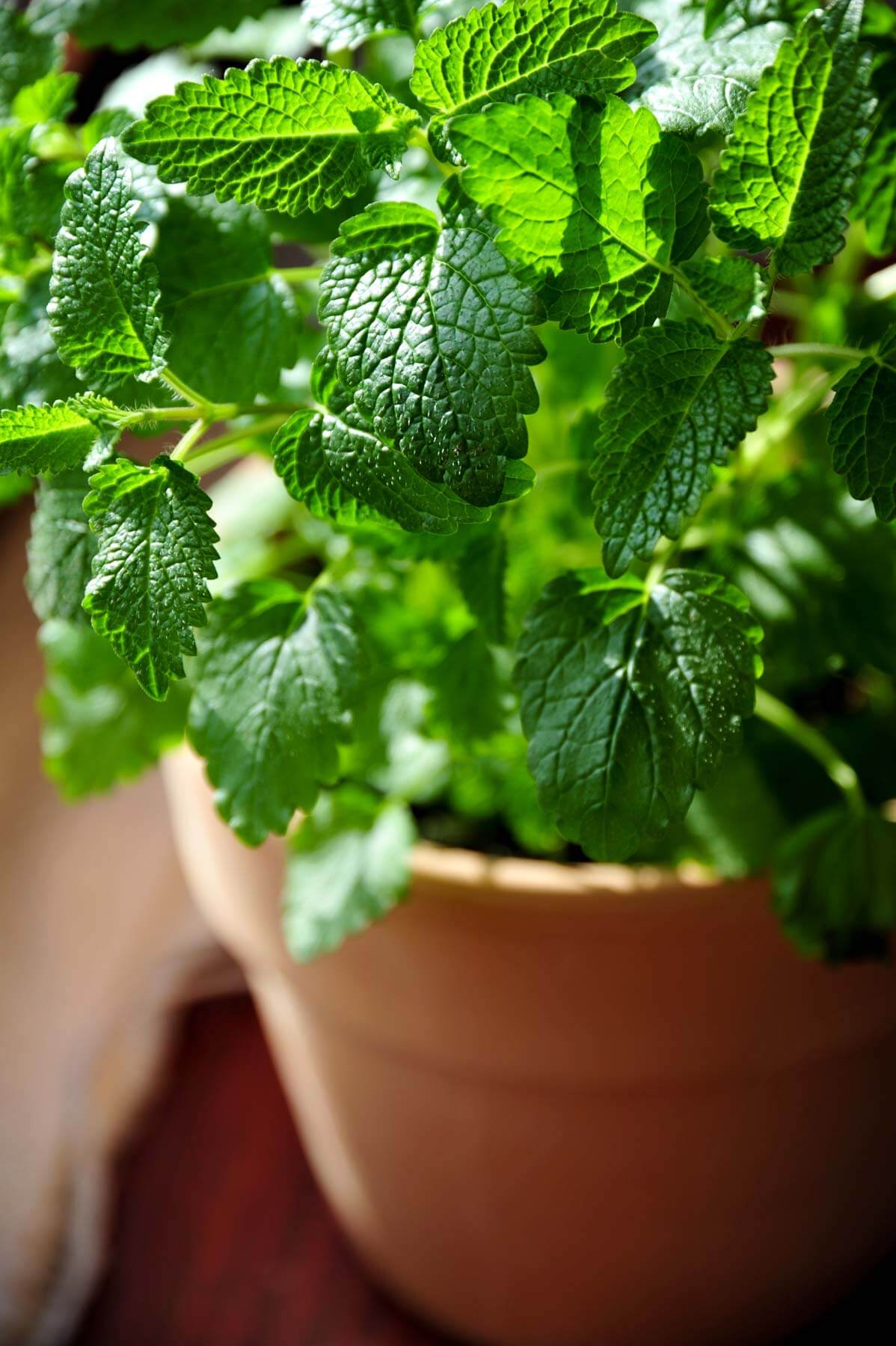
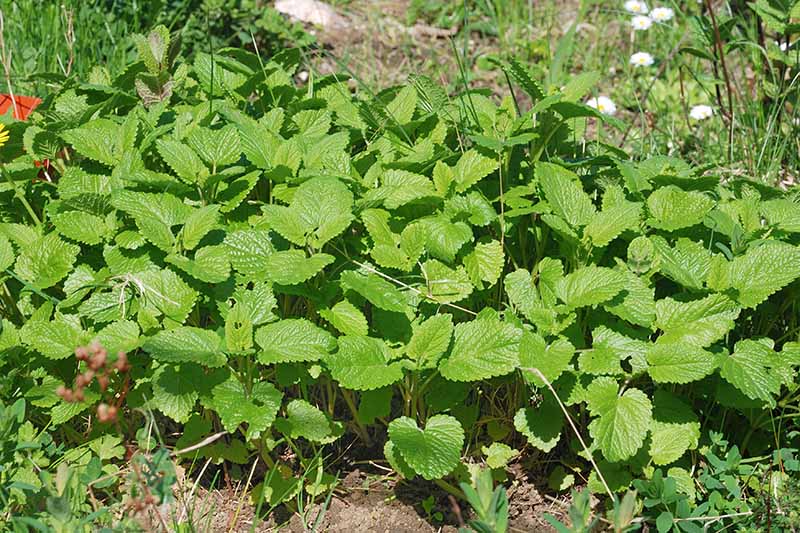
- Lemon balm is a lemony-scented herb that can help to keep mosquitoes away. It is also a good source of vitamin C and other nutrients.
- Bee balm is a mint-scented herb that is known for its mosquito-repelling properties. It is also a popular nectar source for bees and butterflies.
- Thyme is a versatile herb that can be used in cooking, as a tea, or to repel mosquitoes. It has a strong, pungent scent that mosquitoes find unpleasant.
- Rosemary is a fragrant herb that can help to keep mosquitoes away. It is also a popular ingredient in cooking and perfumes.

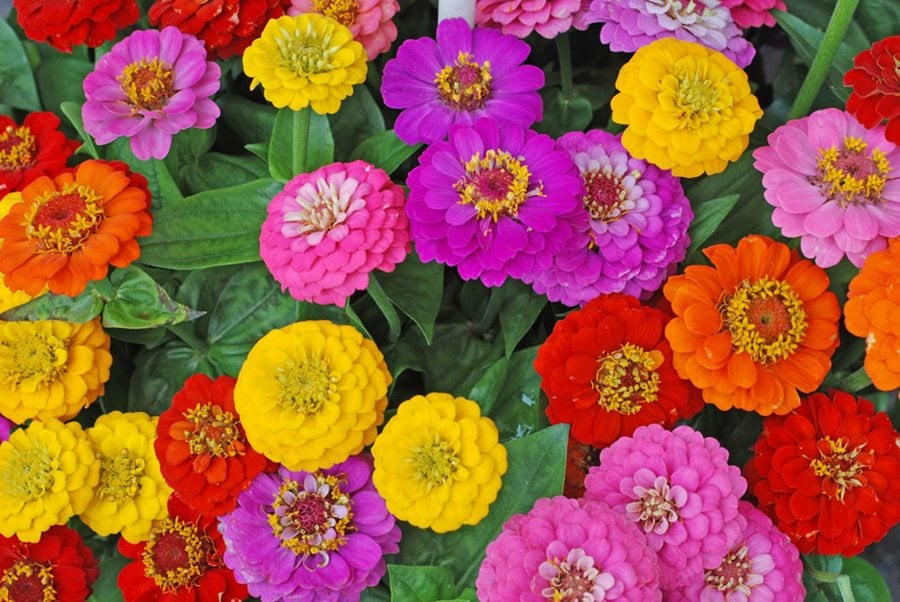
- Zinnia is a colorful flower that has mosquito-repelling properties. The strong scent of zinnias confuses mosquitoes and makes them less likely to bite.
When planting citronella companion plants, it is important to choose plants that will thrive in the same conditions. For example, if you live in a hot, dry climate, you will want to choose plants that are drought-tolerant. If you live in a cold climate, you will want to choose plants that are hardy to cold weather.
You can also plant citronella companion plants in pots and place them around your patio or deck. This will create a mosquito-free zone where you can relax and enjoy the outdoors.
In addition to planting companion plants, there are other things you can do to keep mosquitoes away from your home and garden. These include:
- Wearing insect repellent.
- Draining standing water.
- Repairing screens on windows and doors.
- Keeping your yard well-lit.
- Planting mosquito-eating plants, such as basil, garlic, and mint.
By planting citronella companion plants and following these other tips, you can create a mosquito-free zone around your home and garden. This will help you to enjoy the outdoors without being bothered by pesky mosquitoes.
Citronella is a popular plant for repelling mosquitoes, but did you know that there are other plants that can help to keep these pests at bay? Companion planting is a gardening technique that involves planting certain plants together to benefit each other. When it comes to citronella, some of the best companion plants include:
- Lavender: Lavender is another insect-repelling plant that has a sweet, calming scent. It can help to deter mosquitoes, as well as other pests like flies and ants. [LIST]
- Marigolds: Marigolds are known for their bright orange and yellow flowers, but they also have insect-repelling properties. They can help to keep mosquitoes, aphids, and other pests away from your plants.
- Catnip: Catnip is a popular herb that is known to attract cats, but it also has insect-repelling properties. It can help to keep mosquitoes, flies, and other pests away from your garden.
- Lemon balm: Lemon balm is a lemon-scented herb that can help to repel mosquitoes, as well as other pests like ants and spiders.
- Bee balm: Bee balm is a flowering plant that is known for its sweet nectar. It can attract bees and butterflies to your garden, which can help to control pests like aphids and mosquitoes.
If you are looking for ways to keep mosquitoes away from your home and garden, consider planting some of these citronella companion plants. For more information about citronella companion planting, please visit Garden Wiki.
FAQ of citronella companion plants
Q: What are some good companion plants for citronella?
A: Citronella is a popular mosquito repellent, so it makes sense to plant it near other plants that mosquitoes also dislike. Some good companion plants for citronella include:
- Marigolds: Marigolds release a chemical called pyrethrum, which is toxic to mosquitoes.
- Catnip: Catnip contains nepetalactone, which has a strong odor that mosquitoes find repellent.
- Basil: Basil has a strong, sweet scent that mosquitoes dislike.
- Lemongrass: Lemongrass is a close relative of citronella and has a similar mosquito-repelling effect.
- Lavender: Lavender has a sweet, floral scent that mosquitoes find repellent.
Q: How do I plant citronella with other plants?
A: When planting citronella with other plants, it is important to consider the sunlight and water requirements of each plant. Citronella prefers full sun and moist soil, so it should be planted with other plants that have similar requirements. It is also important to space the plants appropriately. Citronella can grow up to 3 feet tall, so it should be planted at least 2 feet away from other plants.
Q: How do I care for citronella companion plants?
A: The care requirements for citronella companion plants will vary depending on the specific plants. However, most companion plants for citronella prefer full sun and moist soil. They should be watered regularly, especially during hot, dry weather. You may also need to fertilize them once or twice a month during the growing season.
Q: How long do citronella companion plants last?
A: The lifespan of citronella companion plants will vary depending on the specific plant. However, most companion plants for citronella will last for several years with proper care.
Q: How can I use citronella companion plants to repel mosquitoes?
A: There are a few different ways to use citronella companion plants to repel mosquitoes. One way is to plant them around your home or garden. The strong scents of these plants will help to deter mosquitoes from entering your space. You can also crush the leaves of citronella plants and rub them on your skin. This will help to repel mosquitoes for a short period of time. Additionally, you can use citronella essential oil in a diffuser or spray bottle. This will help to create a mosquito-free zone around you.
Image of citronella companion plants
- Lavender: Lavender is a popular companion plant for citronella because it also has insect-repelling properties. The two plants can be planted together in a pot or in the ground.
- Marigolds: Marigolds are another good choice for companion plants for citronella. They help to deter pests such as mosquitoes and aphids.
- Catnip: Catnip is a surprising companion plant for citronella, but it actually works well. Catnip helps to repel mosquitoes and other insects, and it can also help to attract pollinators such as bees and butterflies.
- Lemon balm: Lemon balm is a fragrant herb that can help to repel mosquitoes and other insects. It can be planted near citronella plants to create a mosquito-free zone.
- Thyme: Thyme is a versatile herb that can be used in cooking or as an insect repellent. It can be planted near citronella plants to help deter mosquitoes and other pests.


Post a Comment for " Citronella Companion Plants That Will Keep Mosquitoes Away"